
No products
Product successfully added to your shopping cart
There are 0 items in your cart. There is 1 item in your cart.


Language
Français EnglishDelivery
France European Union, UK, SwitzerlandMediRoyal & SRX MEDIROYAL products: delivery in France only.
Orthopaedics Sports & Prevention
Jogging and running: bet on preparation for your prevention!
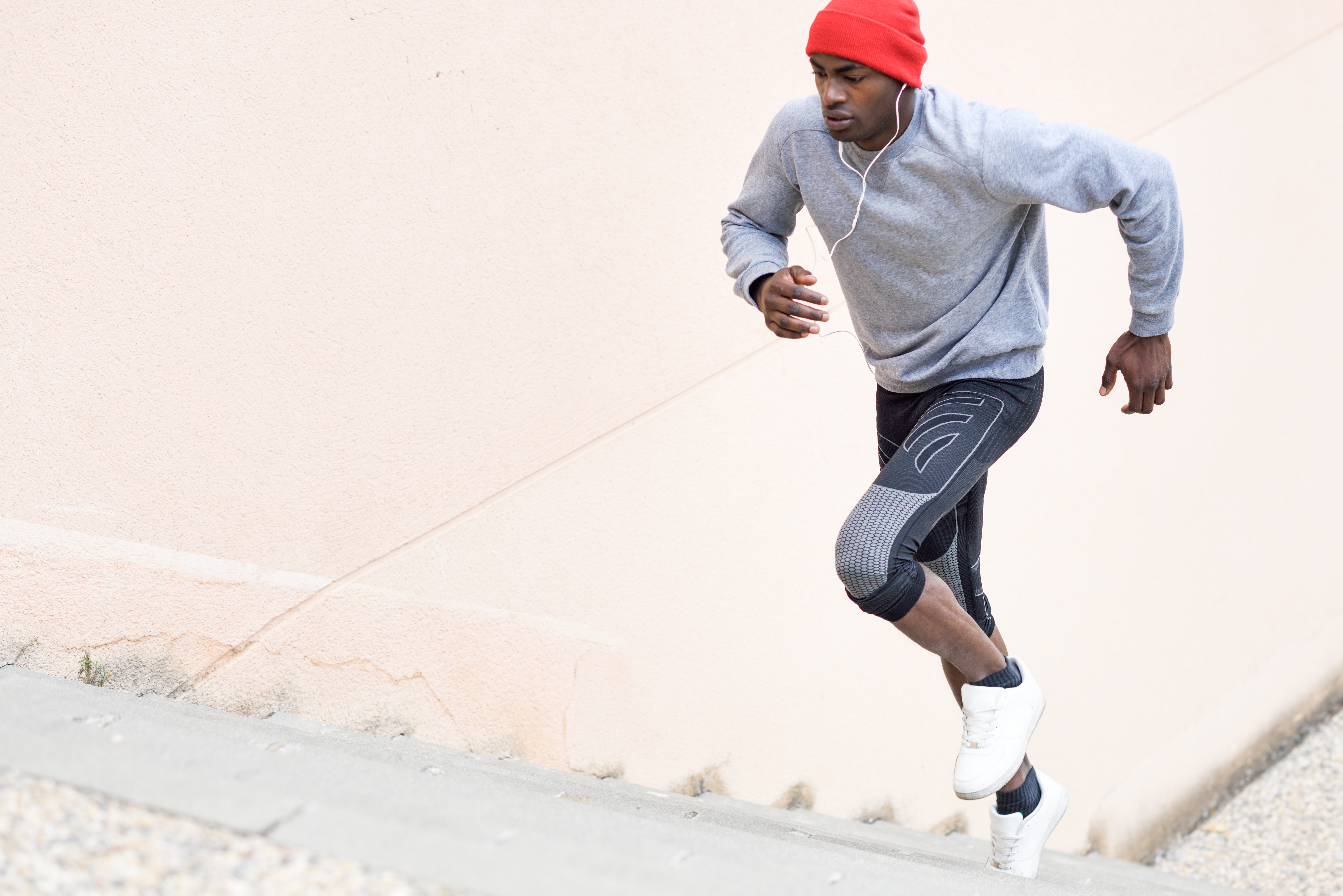
Jogging or running has been practised for centuries on our continent under the more "retro" name of course à pied.
Rushed about all week long, more and more city dwellers turn into weekend joggers, alone or with friends, listening to music in their fluorescent jogging outfits, running in every direction.
Occasional — or better, regular — practice has real benefits: keeping fit, staying trim, complementing another sport; it is also an excellent stress reliever.
But jogging can also carry certain risks; better to learn what they are, the better to avoid them!
Indeed, more or less serious injuries force runners to interrupt their training for a few days to several weeks.
Aches and stiffness:
They are due to the effect of lactic acid; there is nothing silly about starting with a walk and moving on to short strides. Finish with a slow phase to avoid any abrupt stop.
Muscle contractures:
This is the involuntary, persistent self-defence contraction of one or more muscles, causing painful limitation of movement. Common examples are calf contracture (triceps surae) and thigh contracture (hamstrings, quadriceps).
Muscle cramps:
These are sudden, violent and painful contractions, mainly in the calves, the arch of the foot, the thighs or the abdomen. These cramps can be reduced by using a Neotex compression lumbar belt, or a leg or thigh compression sleeve, also in Neotex.
These compression products provide support and reduce muscle contractures and cramps through their thermal effect.
Gentle stretching of the affected muscles is also needed.
Muscle tears:
This is the rupture of muscle fibres, with bruising appearing after the accident. Detected by ultrasound, it often requires stopping training for at least three weeks. And it takes nearly two months for athletes to return to their level. While waiting out these two months, wearing a compression garment will bring relief.
Tendinitis:
This is the inflammation of a tendon, either in the body of the tendon, at its insertion, or in the sheath attached to it. The most frequent are those of the Achilles tendon and the patellar tendon. The athlete must then stop activity for two or three weeks, while wearing either a patellar strap or an ankle support suited to Achilles tendinitis.
Skin problems:
These are mainly "blisters" on the feet. Never run with brand-new equipment. Shoe size must be right: you should be able to slide a finger behind the heel, as the foot swells at the end of a run.
Socks must fit the foot exactly, and friction areas should be protected.


 Coach Kin Progressons ensemble