
No products
Product successfully added to your shopping cart
There are 0 items in your cart. There is 1 item in your cart.


Language
Français EnglishDelivery
France European Union, UK, SwitzerlandMediRoyal & SRX MEDIROYAL products: delivery in France only.
Orthopaedics Sports & Prevention
How to get ready for skiing?
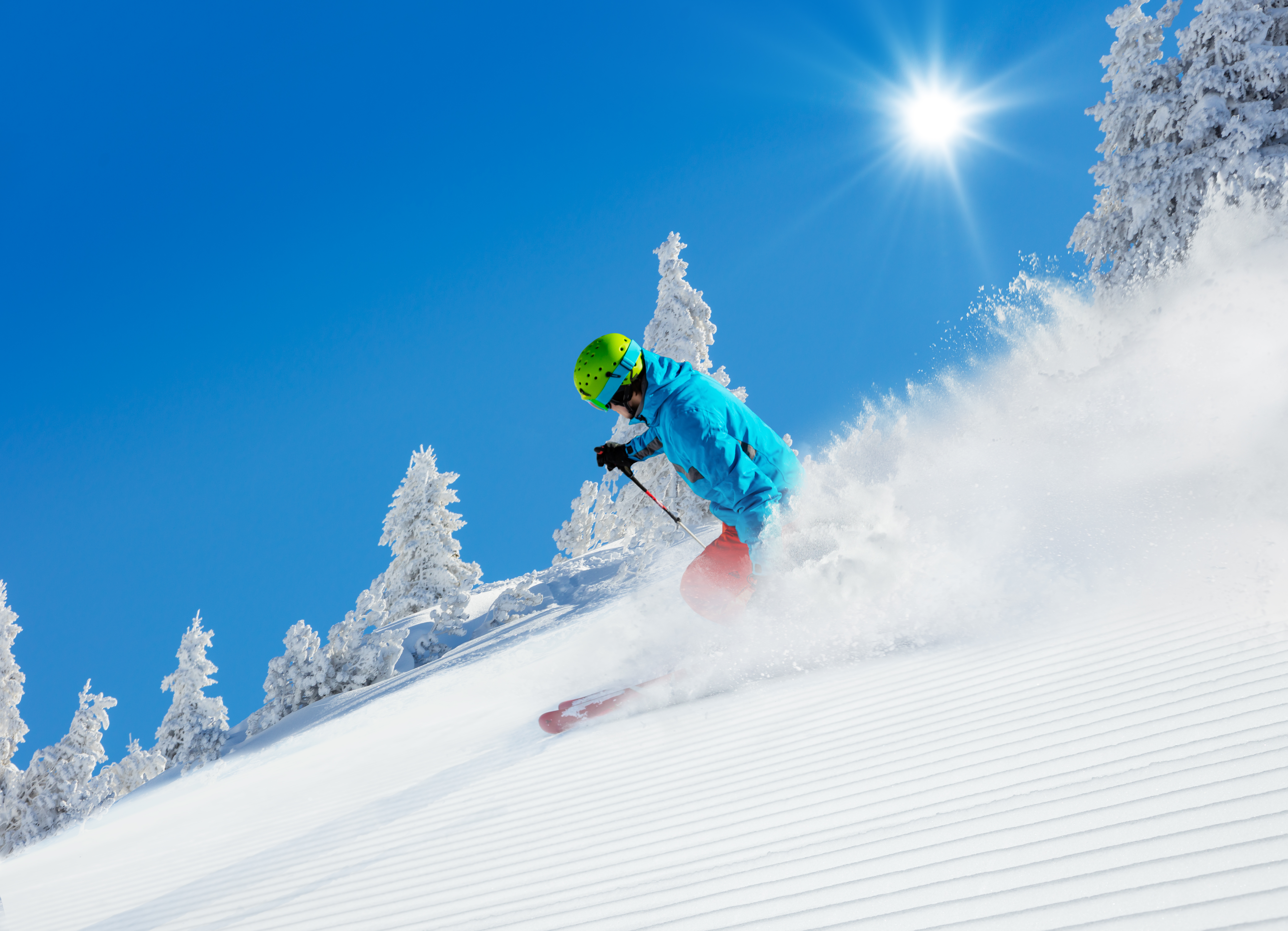
Besides the physical preparation advice for skiers and the training tips covered in the article on prevention, the following recommendations will help you make the most of your ski trip and of the sport itself.
Skier fatigue.
You need to take your fatigue into account: enough sleep is required to recover from the day's efforts. Setting aside at least half a day of rest can prove useful and sensible to avoid a great number of accidents.
The skier's diet.
Accidents often happen after a heavy lunch; a light snack is better, keeping proper meals for morning and evening. Precautions should be taken to avoid the dehydration caused by altitude, sun and physical effort.
Recklessness on the slopes.
Groomed slopes are a safety factor for beginner and intermediate skiers, but also a danger, because they encourage "snow speedsters" to build up speed they generally control poorly, causing more and more collisions and accidents.
The skier's equipment.
Top-of-the-range equipment should only be for competitors or advanced skiers; rigid and unforgiving, it leaves no room for error. For beginners, a boot that is neither too high nor too stiff should be advised — it must be comfortable. Good skiers will use a high, adjustable model with rear support and lateral rigidity. Whatever the technical level, the upper part of the boot must hold the leg in the skier's slight, natural forward flexion.
Bindings
They have brought a considerable increase in safety in recent years thanks to their technical evolution and their toe-heel piece pairings.
Properly adjusted, they must release using leg muscle strength alone, both in twisting and in forward flexion.
The essential parameters are the skier's weight and level.


 Coach Kin Progressons ensemble